Role of the Prostate
The more you know about the prostate, what it is, how it works, and where it’s located, the better you can understand how the role of the prostate, prostate function, prostate conditions, and prostate procedures may impact your current and ongoing health.
This page can help you understand the role of the prostate, as well as common conditions and treatment options, so that you can take better control of your health and make decisions that are right for you.
Prostate at a glance
- The prostate is a gland
- The prostate sits on the pelvic floor just below the bladder
- The prostate is surrounded by nerves
- The prostate surrounds the urethra
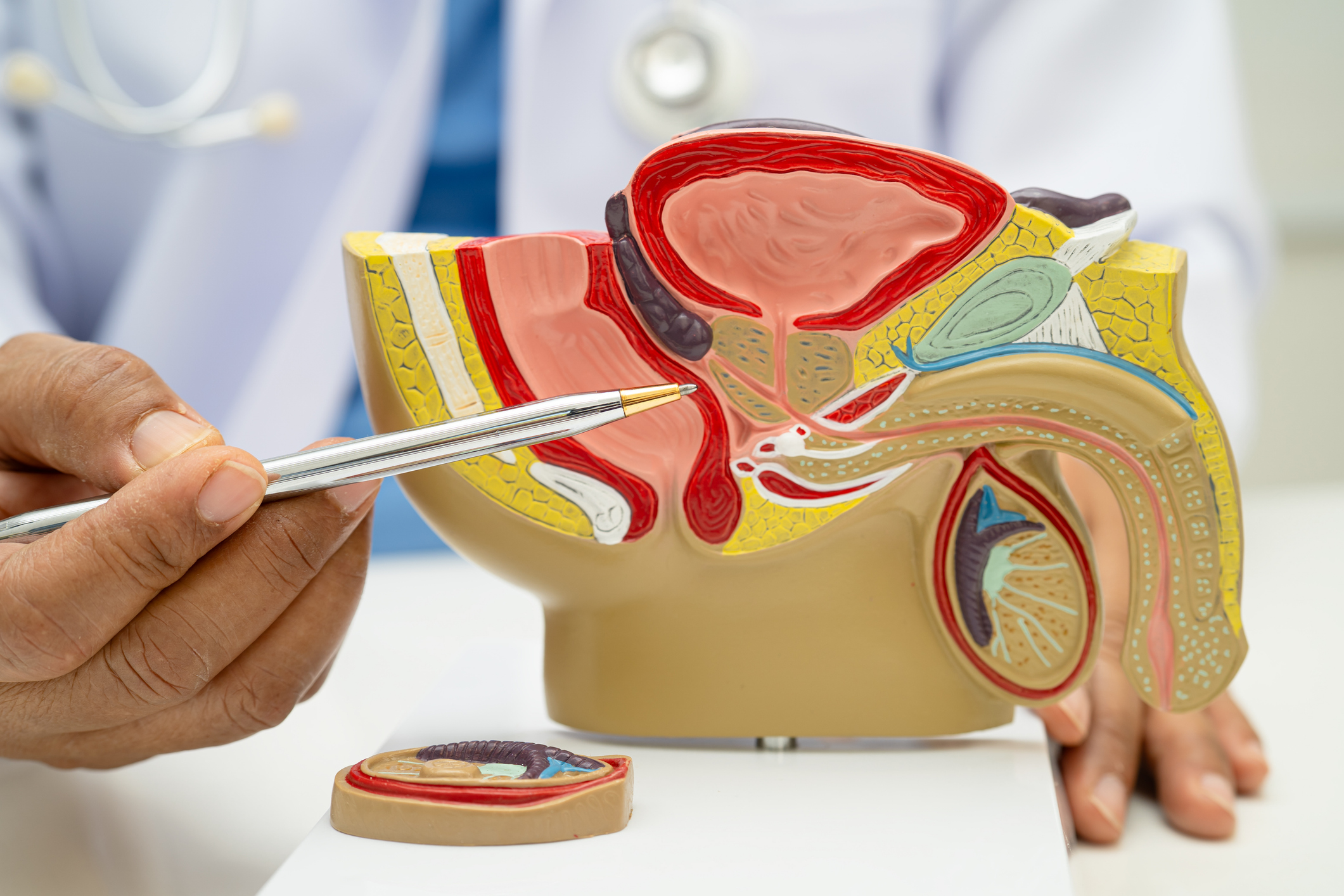
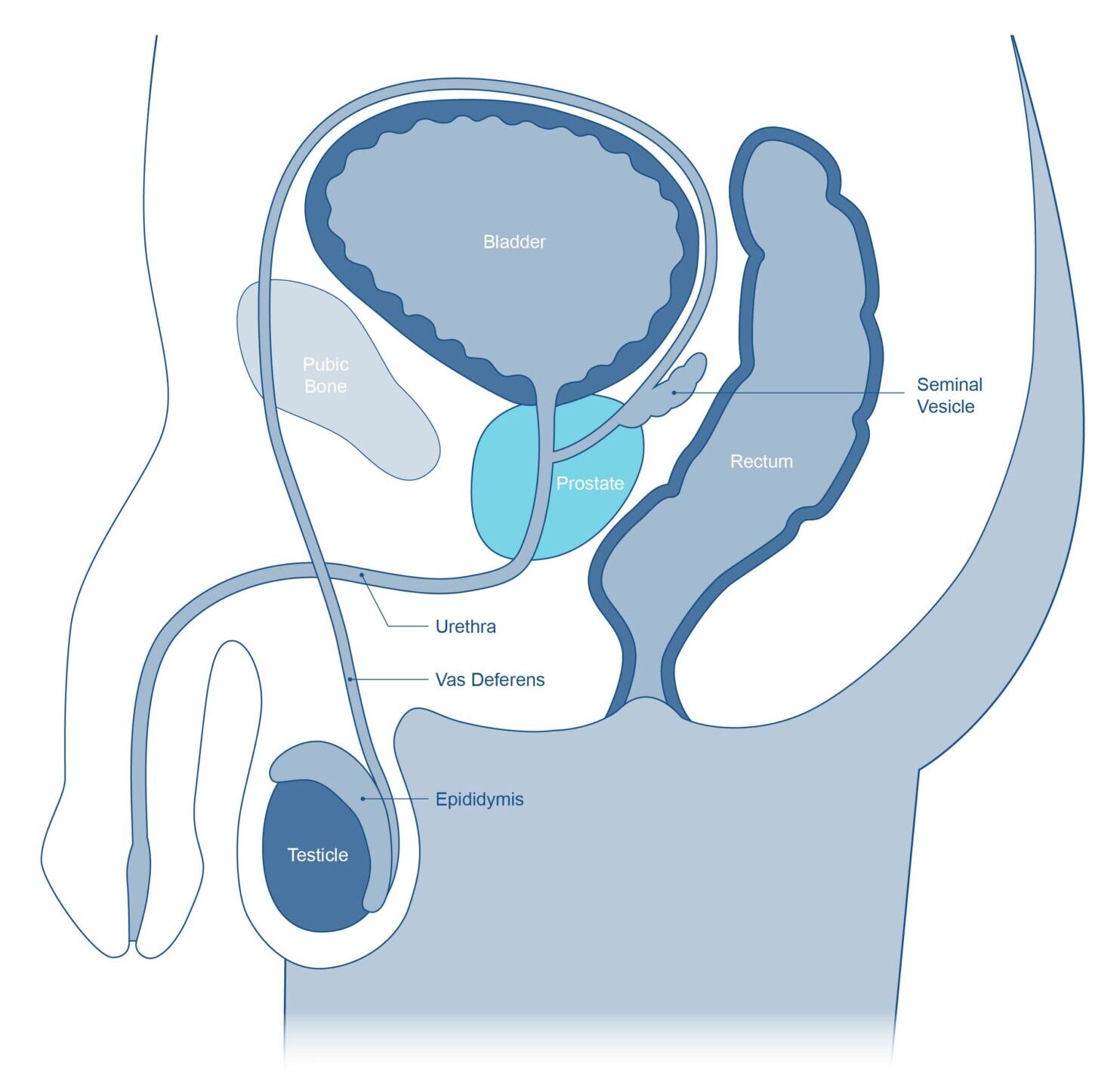
Prostate anatomy
The prostate is a gland located between the bladder and the penis, and only appears in males. In young adults, the prostate is normally the size of a ping-pong ball. It grows larger as men age.1
The prostate is just in front of the rectum.
The urethra runs through the center of the prostate, from the bladder to the penis, letting urine flow out of the body.2
Prostate function
The prostate is an important part of the male reproductive system.
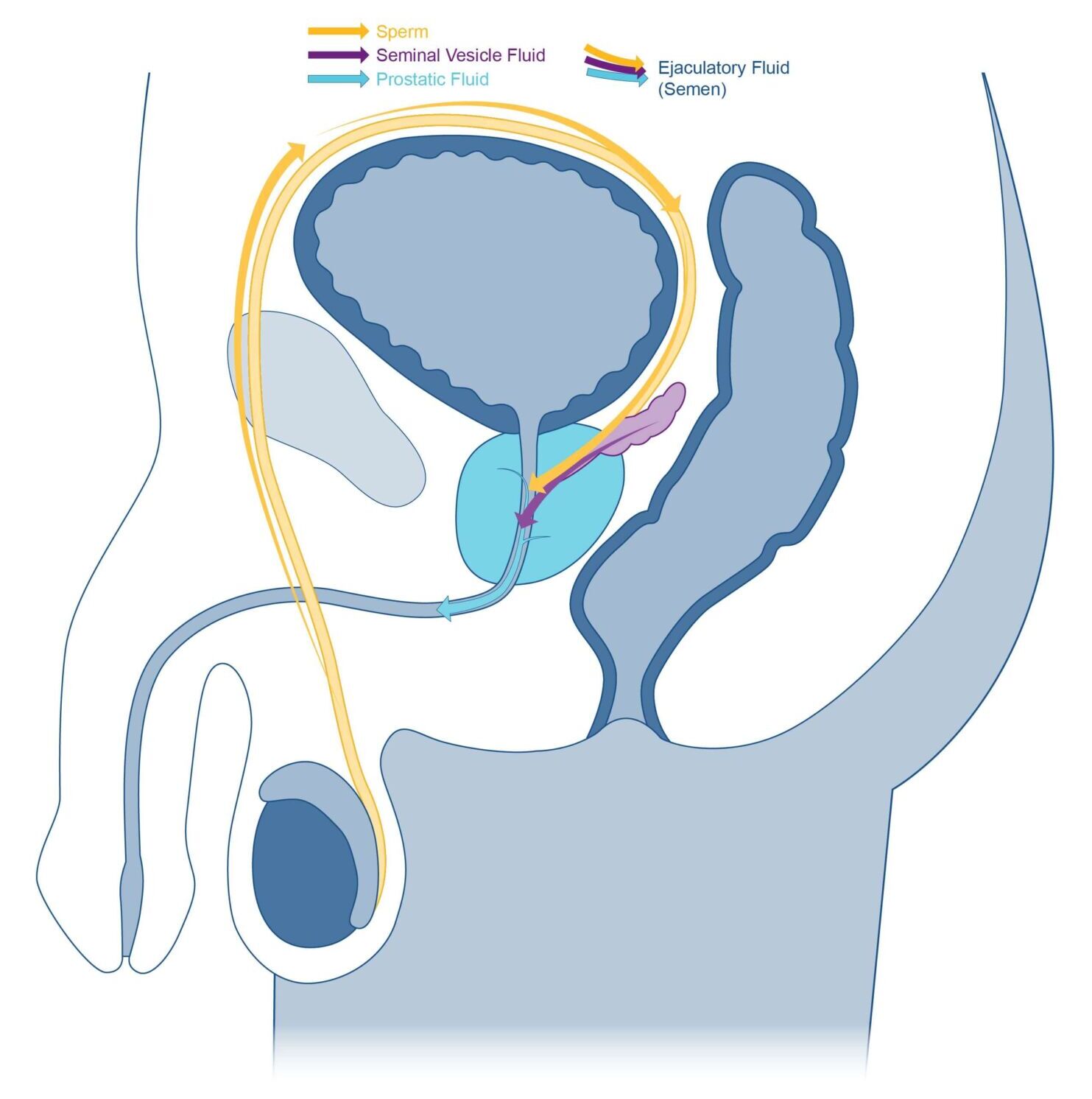
The prostate’s function is to contract during ejaculation and squirt a fluid into the urethra; this fluid is known as prostatic fluid.2
Exocrine Function
The prostate is an exocrine gland. Exocrine glands secrete through ducts to the outside of the body.
Part of the role of the prostate is to produce a milky-white fluid called prostatic fluid. Prostatic fluid combines with sperm from the testicles, as well as fluid from the seminal vesicles, to form semen. Prostatic fluid comprises approximately 30% of the volume of ejaculatory fluid. Prostatic fluid provides nutrients to sperm, and aids in delivery of the sperm by protecting them and helping them live longer.2
Prostate Specific Antigen (PSA) Function
The prostate also produces a protein called Prostate Specific Antigen (PSA). PSA is released with the prostatic fluid and can also be traced in the bloodstream. After ejaculation, PSA makes thickened semen runnier, which helps sperm travel toward a woman’s egg more easily.1,2
The amount of PSA found in the blood increases with the size of the prostate gland, age, and prostate conditions such as BPH, cancer and prostatitis (infection of the prostate).2
Urine Flow and Prostate Function
The prostate surrounds the urethra as it passes from the bladder towards the penis and is adjacent to sphincters which play a role in controlling urine flow. An enlarged prostate can make it harder to empty your bladder. As the prostate grows, it squeezes the urethra and your bladder muscles have to work harder to push urine through that narrowed urethra.3
The prostate and bladder neck also contract during ejaculation, closing the opening between the bladder and urethra, making it impossible to urinate and ejaculate at the same time.2
Why is prostate specific antigen (PSA) testing useful?
PSA, a protein produced in the ducts of the prostate, is absorbed into the bloodstream. PSA is produced by both normal and malignant prostate cells.
A PSA blood test measures the amount of PSA found in the blood. PSA levels in the blood can increase with prostate diseases such as BPH, prostate cancer, and prostatitis (infection of the prostate). The PSA test is often the first step that can lead to the detection of prostate cancer.
The PSA level that is considered normal for an average man increases with age and can range from 0 to 4 nanograms per milliliter (ng/ml).2
References
- National Comprehensive Cancer Network (2026). NCCN Guidelines for Patients® Early-Stage Prostate Cancer. Retrieved from: https://www.nccn.org/patients/guidelines/content/PDF/prostate-early-patient.pdf
- National Cancer Institute. (2011, August). Understanding Prostate Changes. Retrieved from: https://www.cancer.gov/types/prostate/understanding-prostate-changes/prostate-booklet.pdf
- NIH National Institute of Diabetes and Digestive and Kidney Diseases. (Reviewed 2024). Enlarged Prostate (Benign Prostatic Hyperplasia). Retrieved from: https://www.niddk.nih.gov/health-information/urologic-diseases/prostate-problems/enlarged-prostate-benign-prostatic-hyperplasia