Precision prostate care that preserves what matters most to men
Incision-free, radiation-free, and versatile prostate tissue ablation with no hospital stay

Precise prostate tissue ablation with a low risk of serious side effects
The TULSA Procedure is performed inside an MRI scanner, allowing your doctor to see the prostate and surrounding structures in real time. This helps them plan and adjust the treatment based on your unique prostate size, shape, and location of disease.
Using this guidance, directional ultrasound energy is delivered through the urethra to precisely target prostate tissue while helping protect nearby nerves and healthy structures. Real-time monitoring allows the physician to ablate only what’s needed, which may help reduce the risk of serious side effects such as urinary incontinence and erectile dysfunction. The procedure is completed in a single session—with no incisions, no radiation and no hospital stay.
Dealing with the most common prostate diseases
As they age, many men are affected by one of three prostate issues. Click on one of the options below to learn more.
Prostate Cancer
A common, usually slow growing cancer that begins within the prostate, but can spread.
BPH
Also known as an enlarged prostate, BPH (Benign Prostatic Hyperplasia) is an overgrowth of tissue that restricts urine flow.
Radio-Recurrent Prostate Cancer
In some cases, radiation therapy fails to eliminate cancer completely, requiring more treatment.

Once I understood the difference, the TULSA Procedure was an easy decision. It not only treated my cancer effectively, it also protected the quality-of-life things that are important to me. I feel incredibly blessed and want to make sure other men know about this option.
Leonard Wheeler, TULSA Procedure Patient
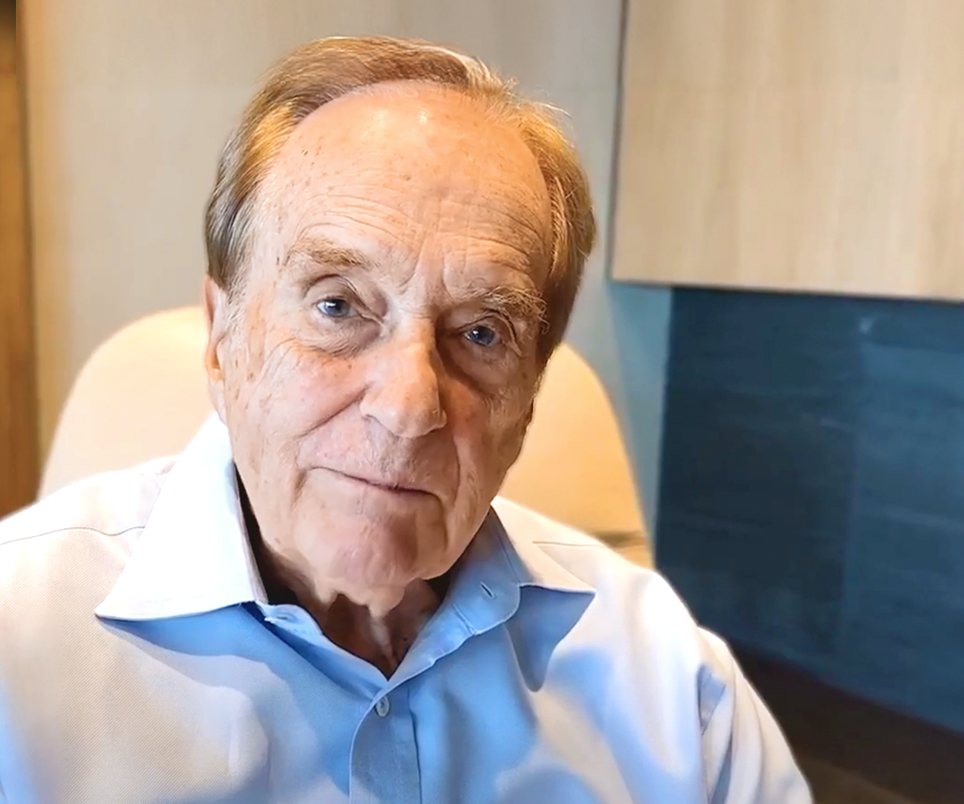
I opted for TULSA because I wanted to stay away from any adverse side effects. I didn’t have to stay overnight at a hospital. There is an alternative besides radiation and surgery. It’s an amazing procedure.
Don, TULSA Procedure Patient

If more people knew about TULSA-PRO and its amazing results it would change the game. The therapies that were presented to me seem antiquated now that I’ve been through this and learned more about TULSA-PRO. I feel like a new man.
Robert, TULSA Procedure Patient
Have questions? We’re here to help.
If you have questions about the TULSA Procedure, connect with one of our helpful Patient Educators.