What is the TULSA Procedure?
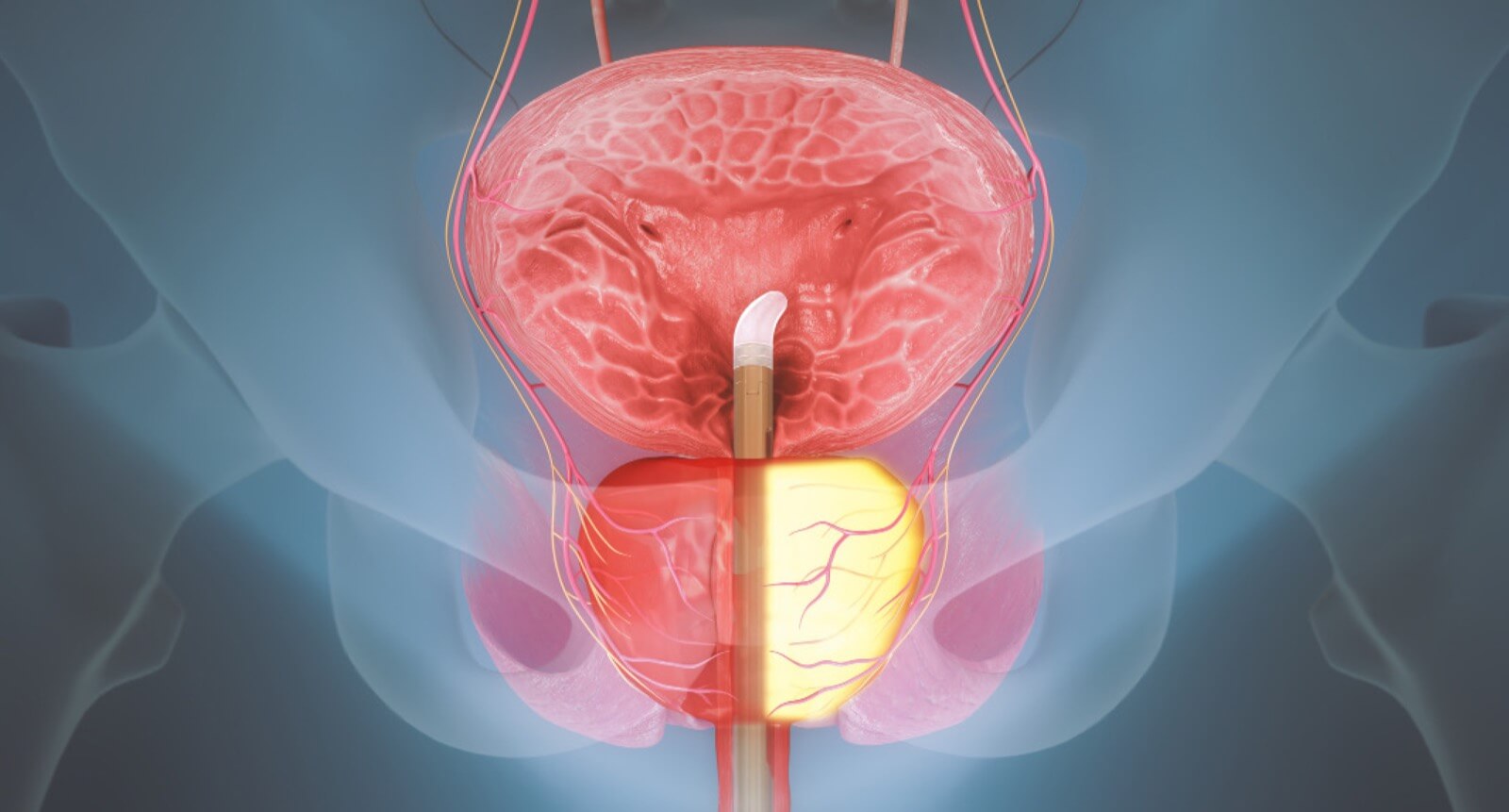
The TULSA Procedure (Transurethral Ultrasound Ablation) is a minimally invasive treatment for men with prostate disease (prostate cancer and/or an enlarged prostate).
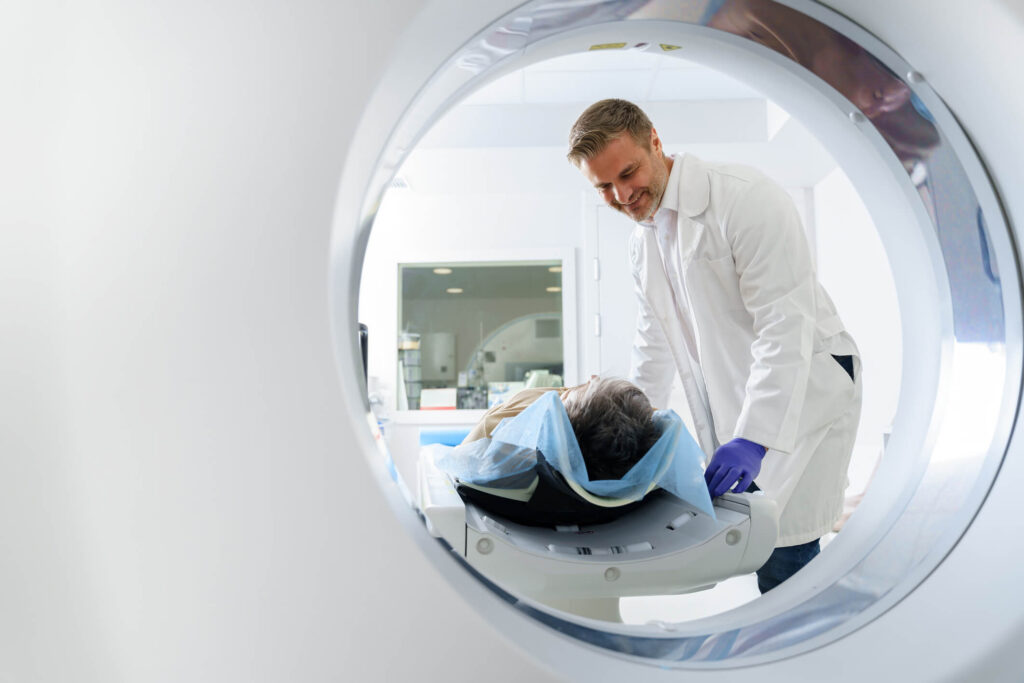
Performed inside an MRI suite, the TULSA Procedure uses precise directional ultrasound energy to gently heat and completely treat problematic prostate tissue—while protecting the healthy tissue around it.
This AI-powered, robotically assisted procedure is designed to precisely target and treat prostate tissue affected by prostate disease, while minimizing downtime and helping preserve what matters most—your quality of life.

TULSA is the perfect choice for someone young and active like me. I was treated like a king the day of the treatment, and I had so little pain all I needed was a single Tylenol the next day. I was back to my job and taking meetings within a couple of days!
Tom, TULSA Procedure Patient
How does the TULSA Procedure Work?
The TULSA Procedure is designed to be precise, gentle, and minimally invasive.
Here’s what you can expect:
- You’ll be comfortably asleep under anesthesia during the procedure.
- A small device is placed through your urethra—no incisions or cutting needed.
- Real-time MRI imaging helps guide the doctor to target only the problematic prostate tissue.
- Directional ultrasound energy gently heats and completely treats the problem areas while protecting healthy surrounding tissue.
- You return home the same day—with minimal pain, minimal downtime, and a focus on preserving your quality of life.
Why Do Patients Choose the TULSA Procedure?
The TULSA Procedure offers a unique, personalized approach to treating your prostate—without traditional surgery. Here’s why more men are choosing this option:
- A custom treatment plan designed for your individual prostate size, shape, and disease
- Low risk of serious side effects such as urinary incontinence or erectile dysfunction1,3
- Safe for patients on blood thinners
- Same-day, outpatient procedure—no hospital stay required
- Fast recovery so you can get back to your normal routine quickly2
Who qualifies for the TULSA Procedure?
Whether a patient qualifies for the TULSA Procedure will be determined by their doctor.
To learn more about the TULSA Procedure, contact one of our helpful Patient Educators.
Have questions? We’re here to help.
If you have questions about the TULSA Procedure, connect with one of our helpful Patient Educators.
Important Safety Information
All surgical treatments carry risks, and individual outcomes may vary based on patient and disease characteristics. The most common side effects of the TULSA Procedure are mild and temporary, such as urinary symptoms, blood in the urine, minor infections, discomfort in the pelvic, genital, abdominal or anorectal area.
More serious risks, though rare, can include anesthesia risk, sexual dysfunction, urine leakage, urethral discharge, urinary tract infection, deep vein thrombosis, rectal injury, and tightening of the bladder outlet and/or urethra, which may require additional intervention. Patients may also experience worsening urinary symptoms, such as increased frequency, urgency, or the need to urinate at night.
No claim is made that TULSA Procedure will cure any medical condition or eliminate the diseased entity. Repeated treatment or alternative therapies may sometimes be required. Not all patients will experience the same results.
Rx only. TULSA-PRO is indicated for ultrasound ablation of prostate tissue.
References
- Klotz et al, “MRI-guided transurethral ultrasound ablation of prostate cancer,” The Journal of Urology (2021).
- Olivares, et al. “Perioperative outcomes from a randomized controlled trial comparing MRI-guided transurethral ultrasound ablation (TULSA) to robot-assisted radical prostatectomy (RARP).” The Journal of Clinical Oncology (2026).
- Viitala et al, “Magnetic resonance imaging-guided transurethral ultrasound ablation for benign prostatic obstruction: 1-year clinical outcomes of a phase II study.” BJU Int (2025)